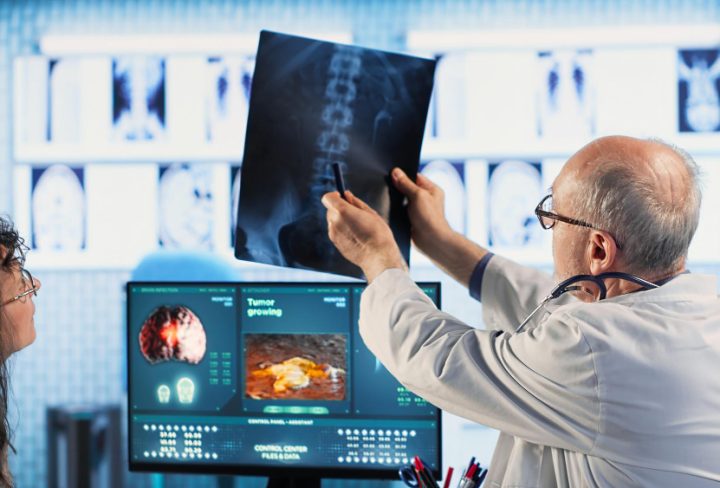
Herniated discs can cause pain, numbness, or weakness in your back or legs. Many people search for safe and effective herniated disc treatment options. Endoscopic spine surgery is a precision solution that uses advanced tools for minimally invasive spine surgery. This method helps many patients recover faster and with less pain.
What is a Herniated Disc?
Your spine is made of bones called vertebrae. Soft discs sit between these bones. These discs act like cushions and help your back move smoothly. Sometimes, a disc can slip or break open. When this happens, it is called a herniated disc. The soft center pushes out and may press on nearby nerves. This can cause pain or other symptoms.
Symptoms and Causes of Herniated Discs
Many people with a herniated disc feel pain in their back or neck. However, the pain can also travel down the arms or legs. Other symptoms may include:
Several things can cause a herniated disc. For example, lifting heavy objects the wrong way can put stress on your spine. Age also plays a role, as discs lose water and become less flexible over time. Sometimes, a sudden injury or accident can lead to a herniated disc.
Introduction to Endoscopic Spine Surgery
Endoscopic spine surgery is a type of minimally invasive spine surgery. Doctors use a thin tube with a camera, called an endoscope, to see inside your spine. Because the cuts are very small, this method causes less damage to muscles and tissues. As a result, many patients feel less pain and recover faster than with traditional surgery.
How Endoscopic Spine Surgery Treats Herniated Discs
During endoscopic discectomy, the surgeon makes a small cut near the problem area. Next, they insert the endoscope to find the herniated disc. Special tools help remove the part of the disc that is pressing on the nerve. The surgeon can see everything on a screen, which helps them work with great precision. Most patients go home the same day.
Benefits and Risks of Endoscopic Spine Surgery
There are many benefits to choosing endoscopic spine surgery for herniated disc treatment options:
However, every surgery has some risks. For instance, there may be bleeding, infection, or nerve injury. Rarely, the disc may herniate again. It is important to talk to your doctor about these risks before deciding.
Recovery and Lifestyle Guidance After Surgery
After endoscopic spine surgery, most people recover quickly. Still, you should follow your doctor’s advice for the best results. Here are some tips for a smooth recovery:
Because recovery times can vary, always check with your doctor before returning to work or exercise. According to the CDC, most people can return to light activities within a few weeks.
Prevention Tips for Spinal Health
Even though endoscopic spine surgery is effective, it is best to prevent spine problems when possible. You can protect your spine by:
In addition, stretching and strengthening your back muscles can help keep your spine healthy. The World Health Organization recommends regular physical activity for overall health.
In summary, endoscopic spine surgery offers a precise and less invasive way to treat herniated discs. If you have ongoing back pain, consult a neurology or spine specialist to discuss if endoscopic spine surgery is right for you.